➤
Back to News
15 November 2026
How Food Helps People Feel at Home Again: Lessons from the Ferry Project Cookery School
Food is more than fuel. It can bring comfort, memories, routine, confidence, and belonging—all the things that help make a place feel like home.
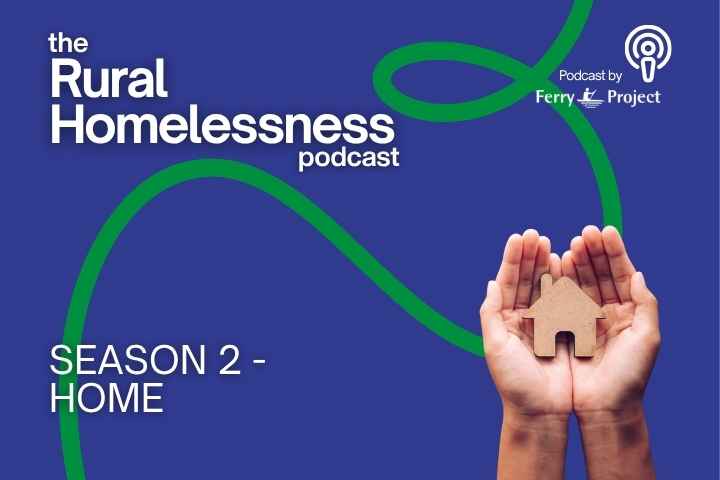
In this episode of the Rural Homelessness Podcast, host Matt McChlery speaks with Alison Crouch, manager of the Ferry Project Cookery School, about how cooking can support people experiencing homelessness. Their conversation explores how learning to cook can also help people rebuild stability, independence, and self-worth.
Why food and home are deeply connected
Food is something almost everyone has in common. We can talk about what we like, share a meal, and remember the dishes that mattered to us growing up.
Those memories can be powerful. A familiar meal might bring to mind a grandmother’s kitchen, a parent’s cooking, or a time when life felt safe and settled. At the Ferry Project Cookery School, clients often request dishes that remind them of home or share stories about the food they ate as children.
These moments create more than conversation. They can help people reconnect with positive memories and feel a sense of comfort and belonging.
A kitchen where people can belong
Alison explains that losing a sense of belonging can affect a person’s self-worth. The cookery school offers a welcoming place where clients can work together around a shared table, learn from one another, and contribute to a meal.
People can start with one-to-one sessions if a group setting feels daunting. That flexibility matters: trauma can make things like loud spaces, knives, or hot pans difficult for some people. Building trust at a pace that feels manageable helps create a safer experience.
Alison says clients may arrive feeling nervous and leave standing taller, smiling, and proud of what they have made. The finished meal is important—but so is the experience of discovering, “I can do this.”
Cooking builds practical skills for independent living
The cookery school teaches people how to cook from scratch, but the lessons go beyond recipes. Clients learn about food hygiene, budgeting, reducing waste, and making meals with the ingredients they have.
Cooking from scratch can also be more affordable. Alison points out that a tin of tomatoes can cost less than a jar of pasta sauce and offer more flexibility. Small tips—like freezing leftover beans to use another day—can help people make their food budget go further.
These are practical skills for life beyond the cookery school. Clients can take home recipes and resources, including the Bish Bash Bosch cookbook, which includes ideas for different equipment and cooking situations.
Routine, small steps, and growing confidence
Classes held at regular times give people a routine to look forward to. Cooking reinforces that structure: a dish comes together through a series of manageable steps.
Alison describes how a task that might feel overwhelming can be broken down into simple actions—chop an onion, crush garlic, prepare the ingredients, and keep going. Seeing those steps come together into a finished meal can help people recognise what they are capable of.
The school also creates opportunities for clients to take on new responsibilities. Some have become interns, completed food hygiene and allergen training, and helped at classes and events. That progression can build confidence and provide valuable experience.
Shared meals bring people together
Communal cooking and meals are a central part of the cookery school. Roast dinner days are especially meaningful: clients prepare the food together, then share it with other residents and staff.
A familiar meal can bring back memories of home, while the act of preparing and eating it together creates new connections. The kitchen becomes a place to contribute, chat, and feel part of a community.
How to support the Ferry Project Cookery School
Alison shares several ways people can help, whether they live nearby or further away. Support can include donating ingredients, supermarket vouchers, or plants for the kitchen garden. Donations of meat can be particularly helpful for communal meals.
People can also buy cookbooks or attend public cooking classes. Proceeds from the books and surplus income from classes help fund sessions for clients.
Find out more about the Ferry Project at ferryproject.org.uk.
What this conversation shows about home
This episode is about more than cooking. It shows how food can reconnect people with memories, provide a steady routine, build confidence, and create a sense of belonging.
At the Ferry Project Cookery School, a shared kitchen is a place where people can feel safe, capable, and included—and practise skills that can support them as they move toward independent living.
Frequently asked questions
- How can cooking help people experiencing homelessness?
Cooking can build practical skills such as budgeting, food hygiene, and preparing meals. Shared cooking can also create routine, confidence, and connection with others.
- Why is food important to the idea of home?
Food is often tied to memories of family, comfort, and safety. Familiar meals can help people reconnect with positive experiences and share stories with others.
- How can I support the Ferry Project Cookery School?
You can support the work by donating ingredients or supermarket vouchers, buying a cookery book, or attending a public class. Find more information at ferryproject.org.uk.




£20
£50
£100
£50 allows us to support someone who is street homeless by giving them a room for a night, support and advice, a shower, wash their clothes and have a meal.